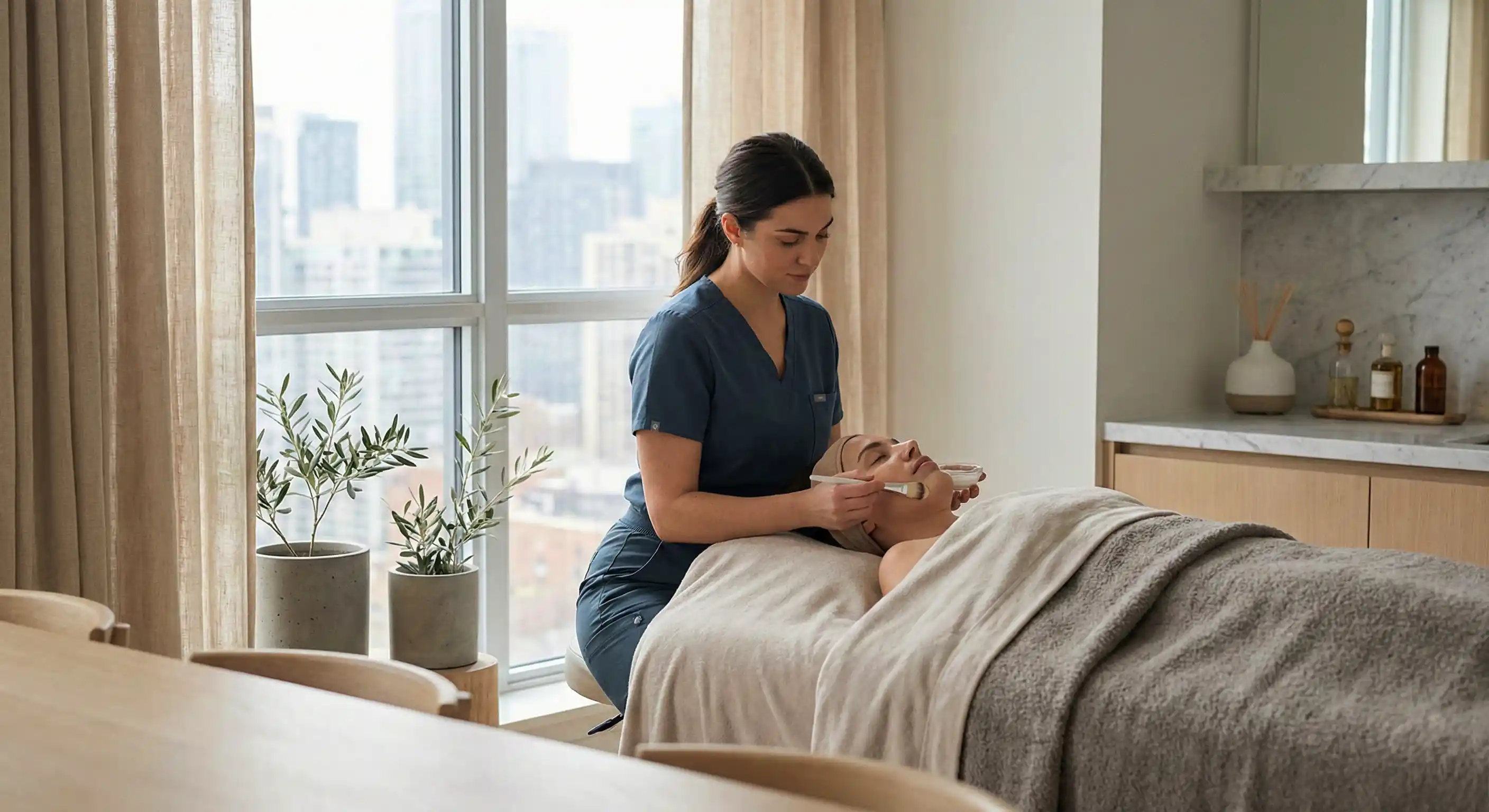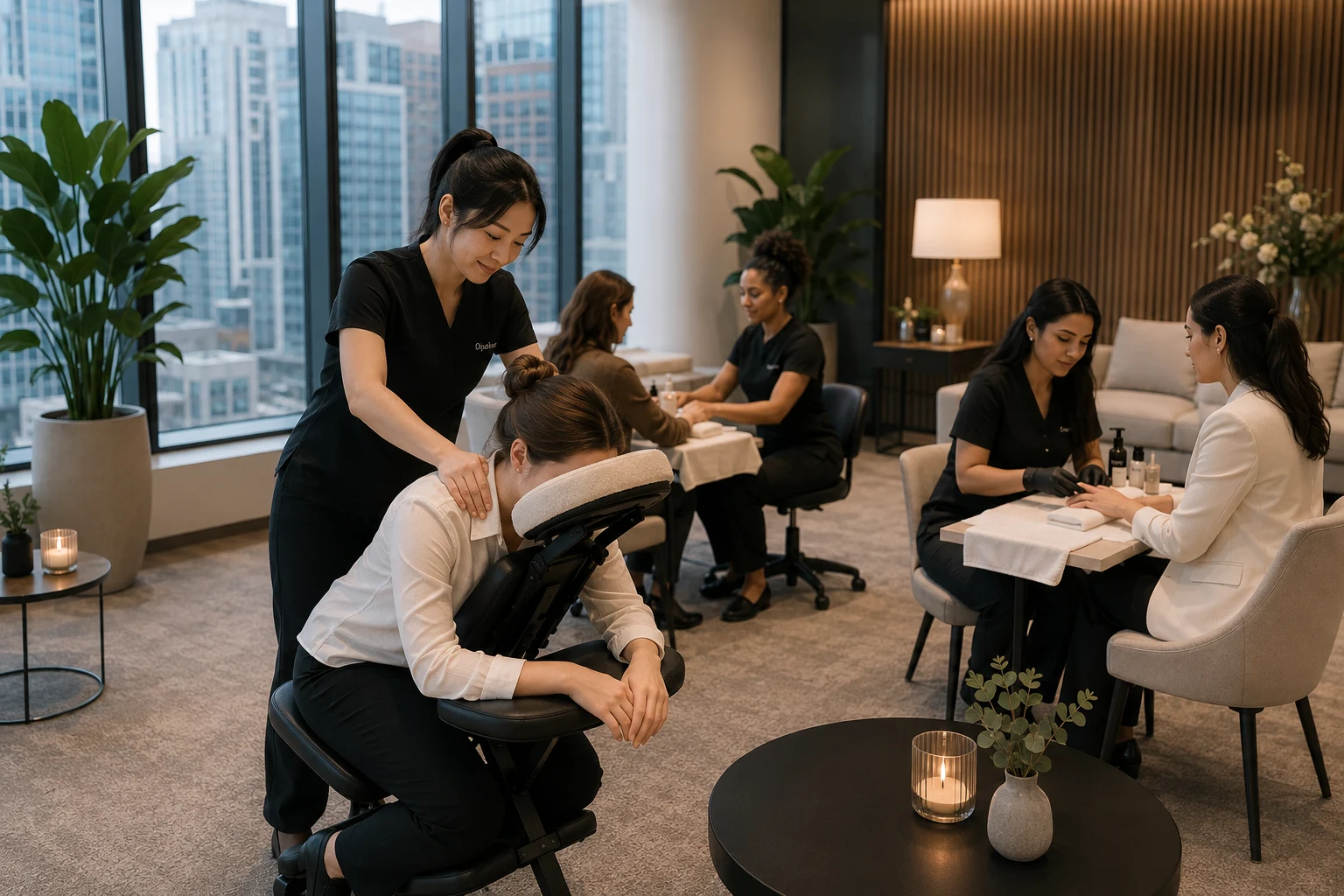

The modern workplace has changed, but many office environments still operate as though productivity exists independently from wellbeing. Increasingly, companies are beginning to recognize that the spaces people work in directly influence how they feel, focus, and perform. Wellness is no longer being treated as a perk on the side of company culture, but as part of the environment itself.
Offices Were Never Designed for Recovery
For decades, most workplaces have been built around efficiency above all else. Open concepts were meant to encourage collaboration, packed calendars became signals of productivity, and the ability to constantly move from one task to the next slowly became normalized as a measure of performance. What often disappeared in the process was any real consideration for how people were expected to sustain that pace over time.
That shift is becoming harder to ignore. Conversations around workplace culture have matured well beyond free coffee and occasional team lunches, largely because employees now place far greater value on how an environment feels to exist within every day. Increasingly, companies are beginning to understand that productivity is deeply connected to mental clarity, emotional regulation, and the ability to recover from stress while still inside the workday itself¹.
In cities like Toronto, where long commutes, fast-paced industries, and high-performance work cultures are common, the demand for more thoughtful workplace experiences has become especially visible.
Wellness Has Quietly Become Part of Workplace Design
The most effective wellness initiatives rarely feel performative. They are not built around spectacle or oversized gestures, but around creating moments within the workday that allow people to briefly step out of a constant state of output.
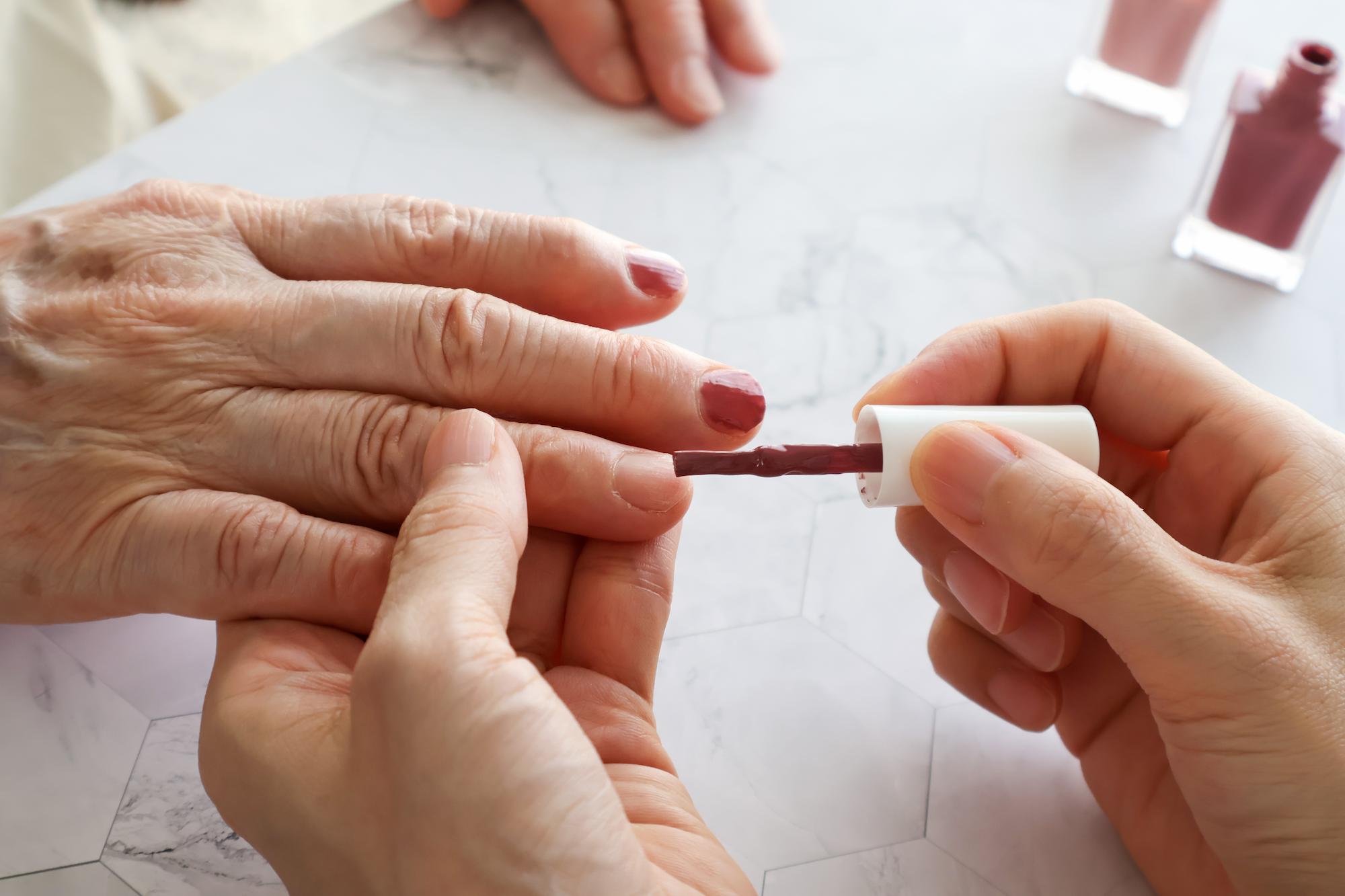
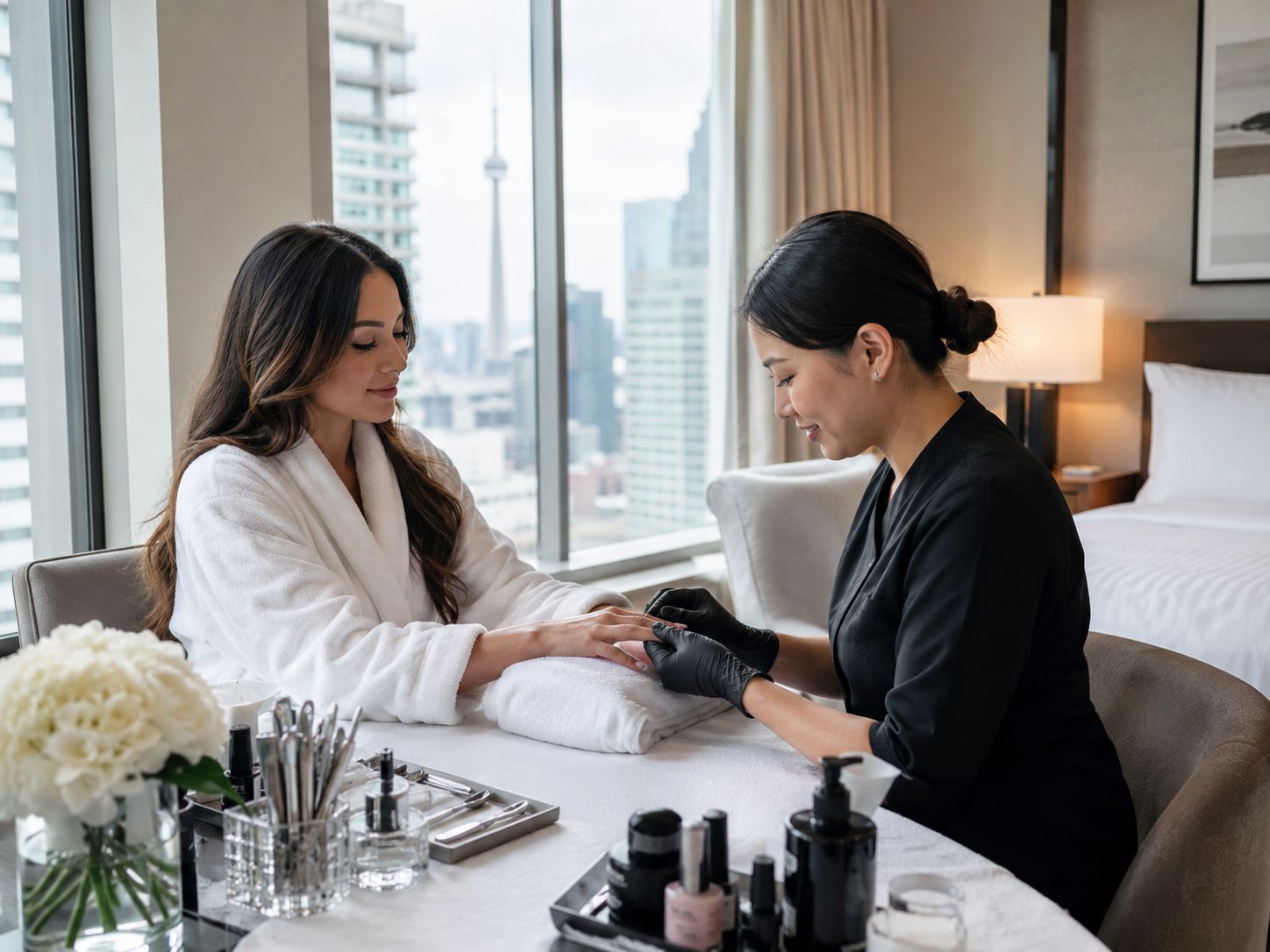
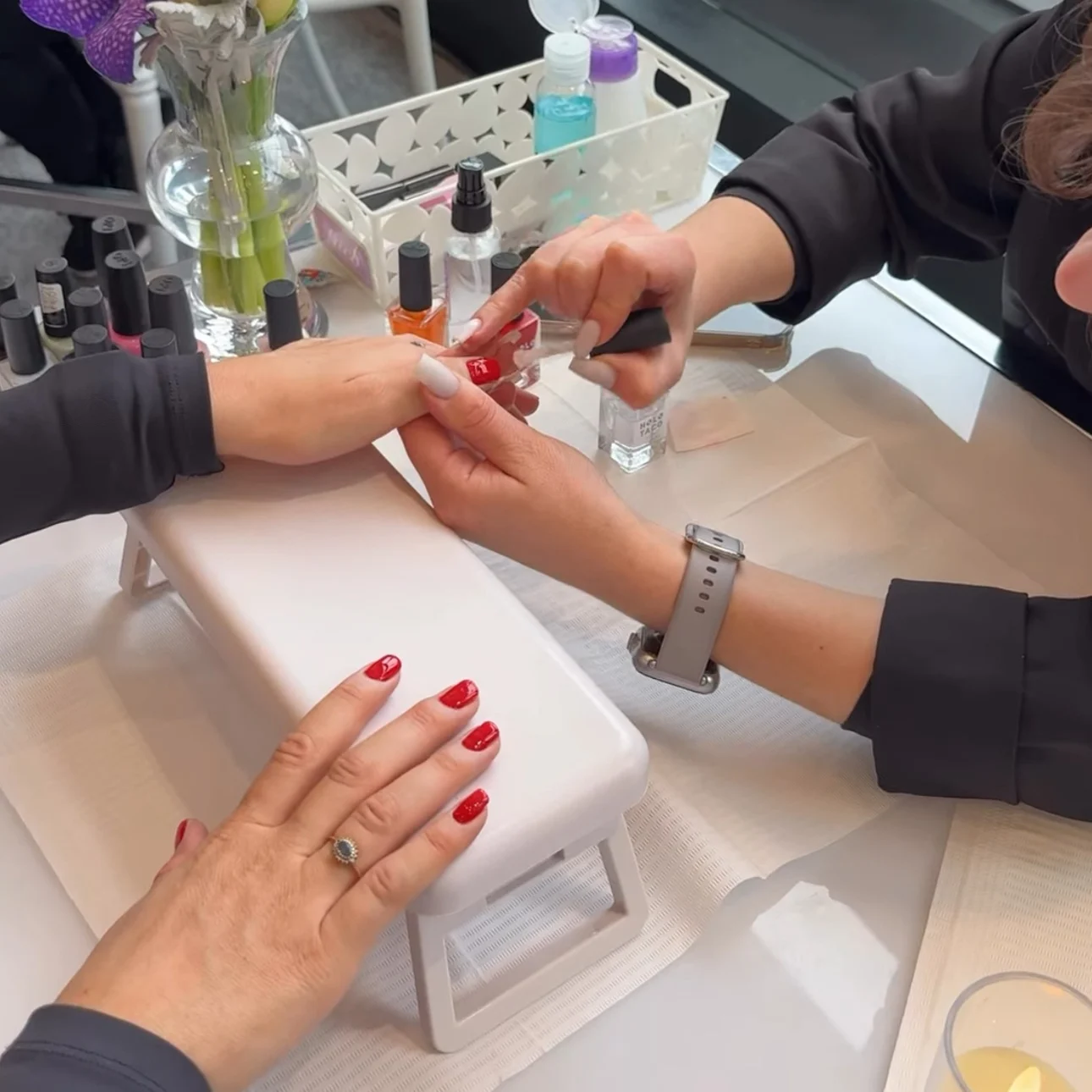
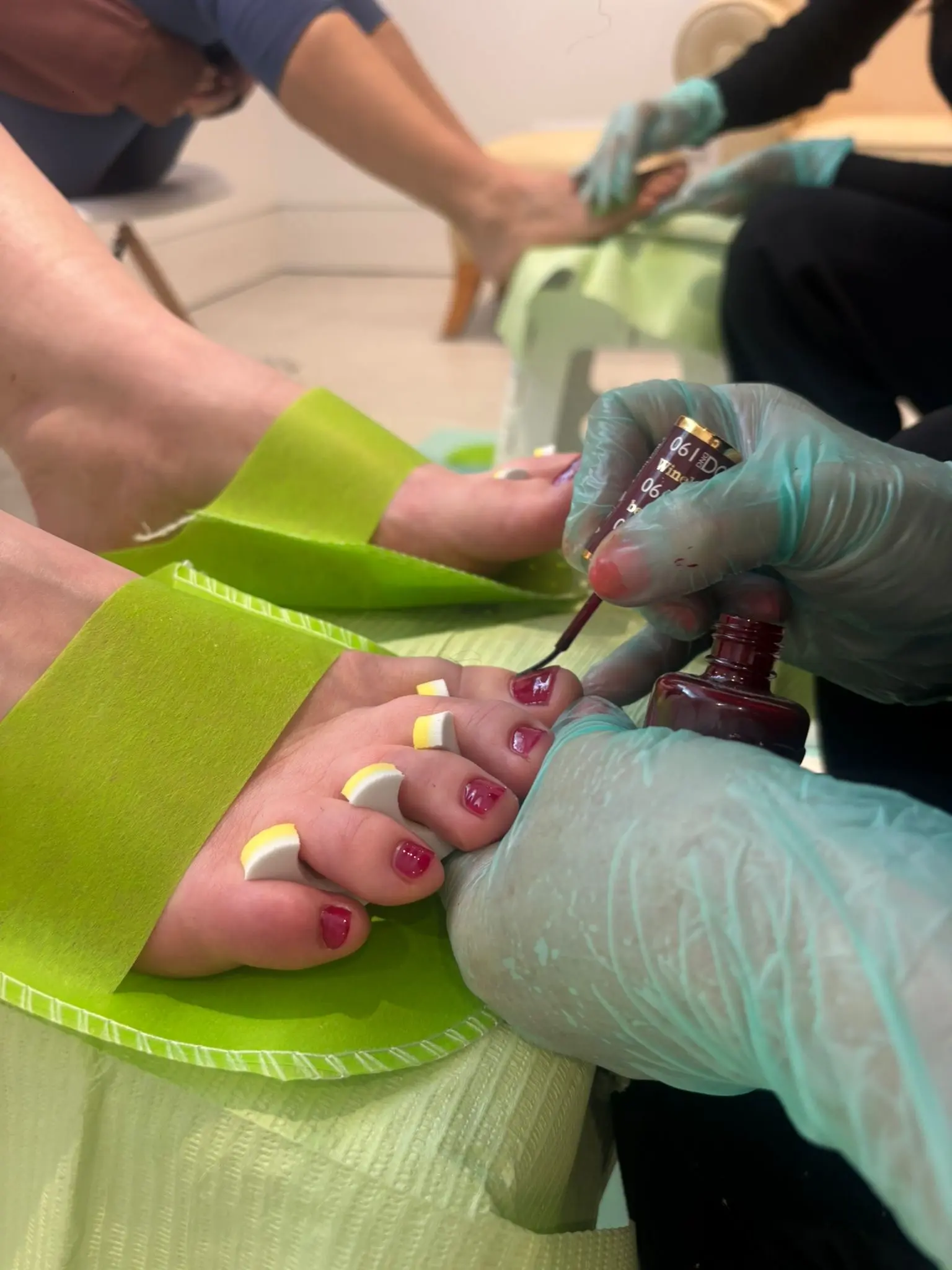
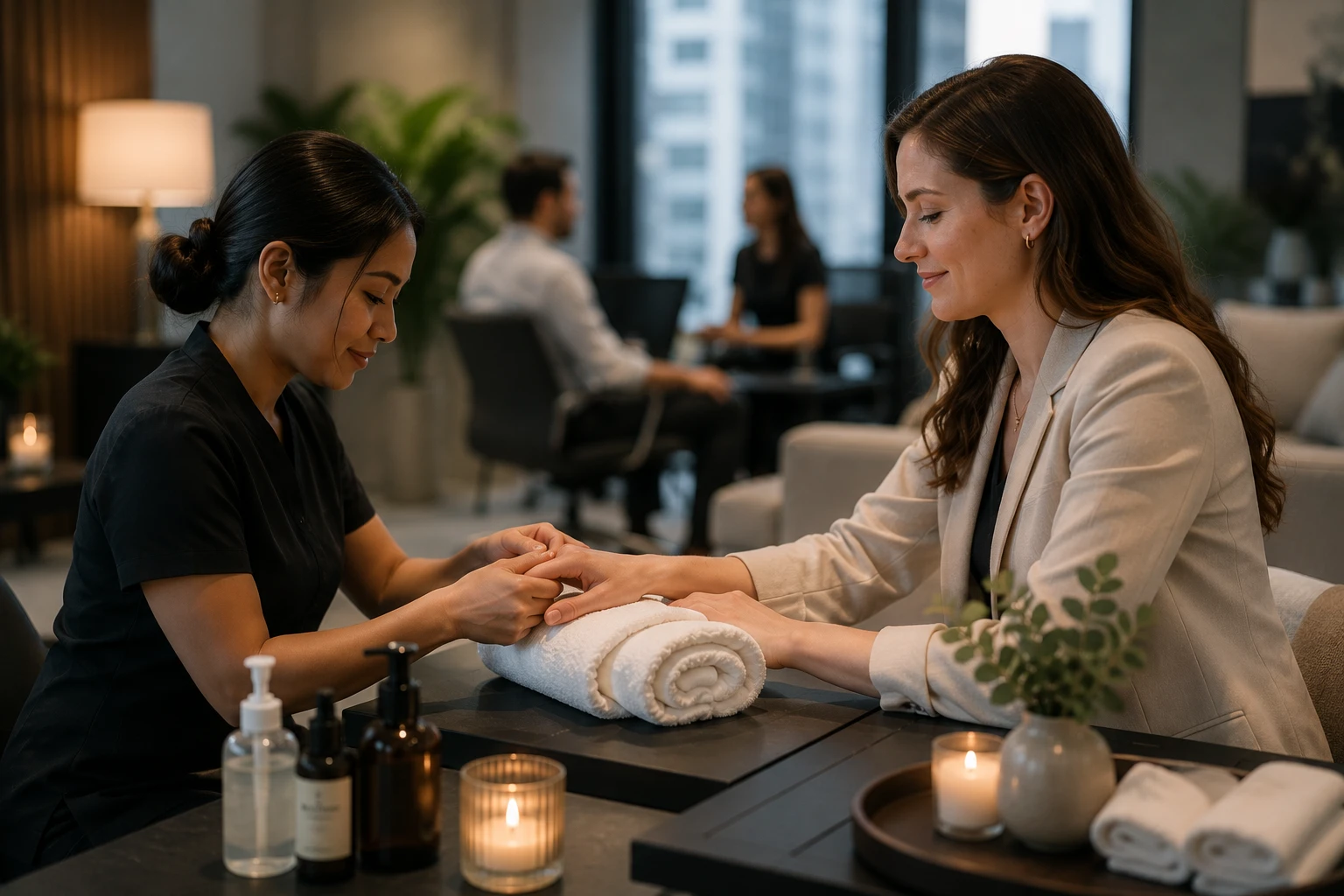
That shift can happen through surprisingly small interventions. A quiet room converted into a wellness lounge for the afternoon changes the atmosphere of an office more than most people expect. The presence of calming services such as hand massages, manicures, or guided wellness experiences subtly slows the pace of the environment around them, creating a different rhythm within the space itself.
What makes these experiences effective is that they do not pull employees away from the workplace. Instead, they reshape the feeling of the workplace while people are still inside it.
Research in environmental psychology has consistently shown that physical surroundings influence stress response, concentration, and interpersonal behaviour². People respond not only to workload, but to atmosphere, pacing, noise, and sensory input, all of which shape how sustainable a workplace feels over time.
The Most Memorable Corporate Events Tend to Feel Human
Many corporate events still follow the same predictable structure. Networking, presentations, catered food, and conversation repeated in slightly different formats depending on the venue. While those elements still serve a purpose, they rarely create a lasting emotional impression because guests are mostly passive participants within the experience.
Wellness activations change that dynamic entirely.
The moment someone sits down for a treatment or enters a calmer environment, the interaction becomes personal rather than observational. The pace softens naturally. Conversations become less transactional. People engage with each other differently because the environment itself encourages it.
One of the more interesting things about wellness-focused experiences is how quickly they alter the emotional tone of a room without requiring explanation. Employees do not need to be told to relax or reset. The atmosphere simply gives them permission to.
That distinction matters more than many companies realize.
What Employees Remember Is Rarely the Agenda
Very few people remember the schedule of a corporate event weeks later. What they remember is how they felt while they were there.
They remember whether the environment felt rushed or calm. Whether conversations felt natural or forced. Whether the experience seemed carefully considered or simply assembled to fill a calendar slot.
This is partly why wellness experiences continue to resonate so strongly within corporate settings. They create moments that feel unusually personal inside environments that are often highly structured. Even relatively small activations can leave a disproportionate impression because they interrupt the predictability of the workday in a positive way.
Experiential engagement has been shown to create stronger emotional response and memory retention compared to passive participation³, which helps explain why interactive wellness experiences tend to feel more impactful than traditional event formats alone.
A Different Definition of Productivity
Some of the most forward-thinking workplaces are beginning to move away from the idea that productivity is purely about maintaining constant momentum. Instead, there is growing recognition that focus, creativity, and collaboration are all affected by whether people feel mentally depleted or supported within their environment.
Creating opportunities for employees to pause during the workday does not reduce productivity. In many cases, it stabilizes it.
That does not necessarily require dramatic operational change. Often, it is simply about introducing experiences that make the workplace feel more balanced, whether through wellness activations, quieter environments, or moments intentionally designed around recovery rather than output.
Over time, those decisions begin shaping culture in a far more visible way than internal messaging ever could.
Bringing Wellness Into the Workplace
The most successful workplace wellness experiences tend to feel seamless rather than staged. They integrate naturally into the environment, allowing employees to participate comfortably without disrupting the overall rhythm of the day.
At Opalya, we approach corporate wellness with that balance in mind, creating elevated spa and wellness experiences for offices across Toronto and the GTA that feel calming, thoughtful, and easy to integrate into existing workplace environments.
Whether it is a wellness-focused appreciation day, an employee event, or a quieter reset built into the office week, the goal is always the same: helping workplaces feel better to exist within.
References
- Richardson KM, Rothstein HR. Effects of occupational stress management intervention programs: A meta-analysis. J Occup Health Psychol. 2008;13(1):69-93. doi:10.1037/1076-8998.13.1.69
- Evans GW, McCoy JM. When buildings don't work: the role of architecture in human health. J Environ Psychol. 1998;18(1):85-94. doi:10.1006/jevp.1998.0089
- Schmitt B. Experiential marketing: how to get customers to sense, feel, think, act, and relate. New York: Free Press; 1999.