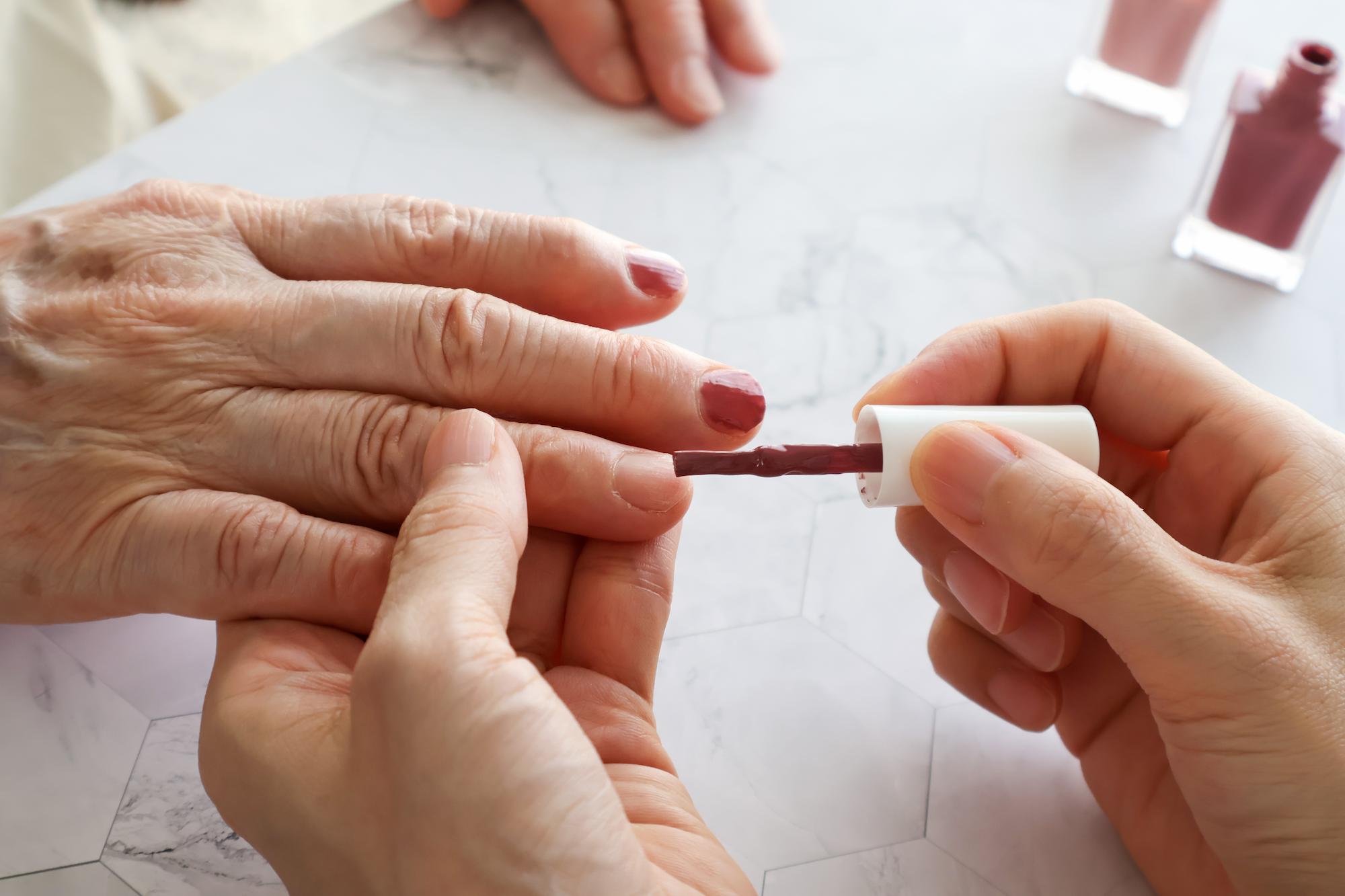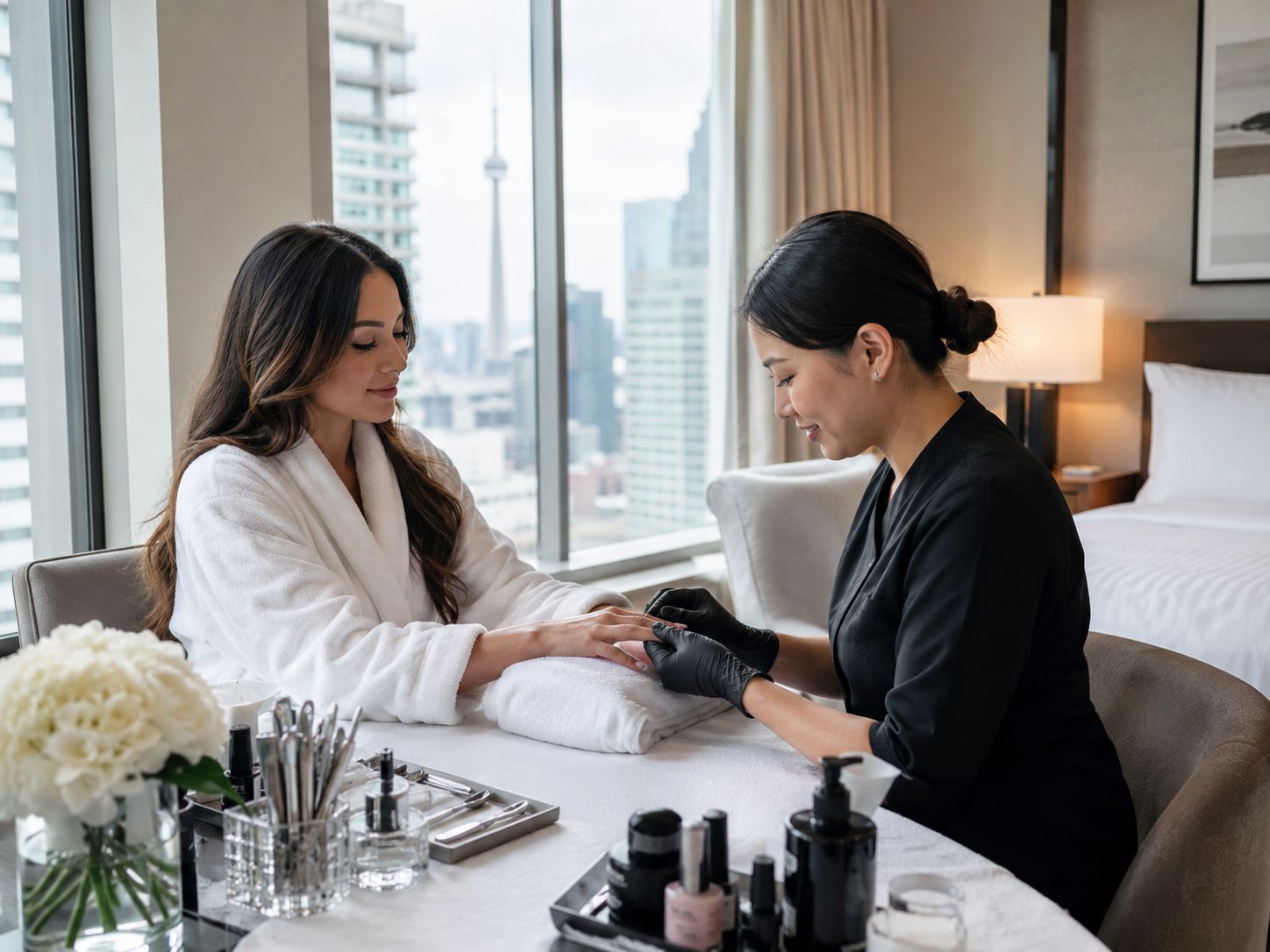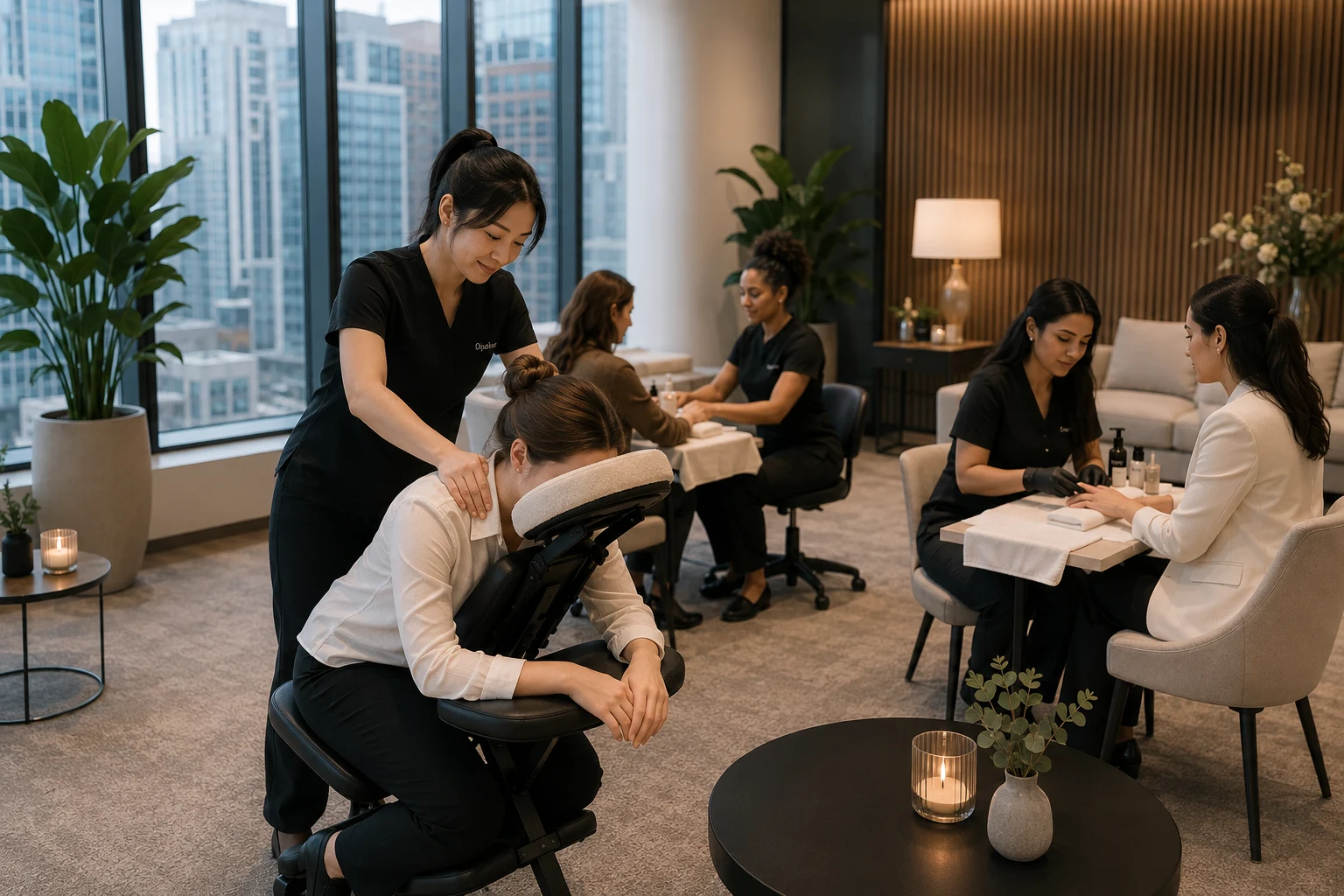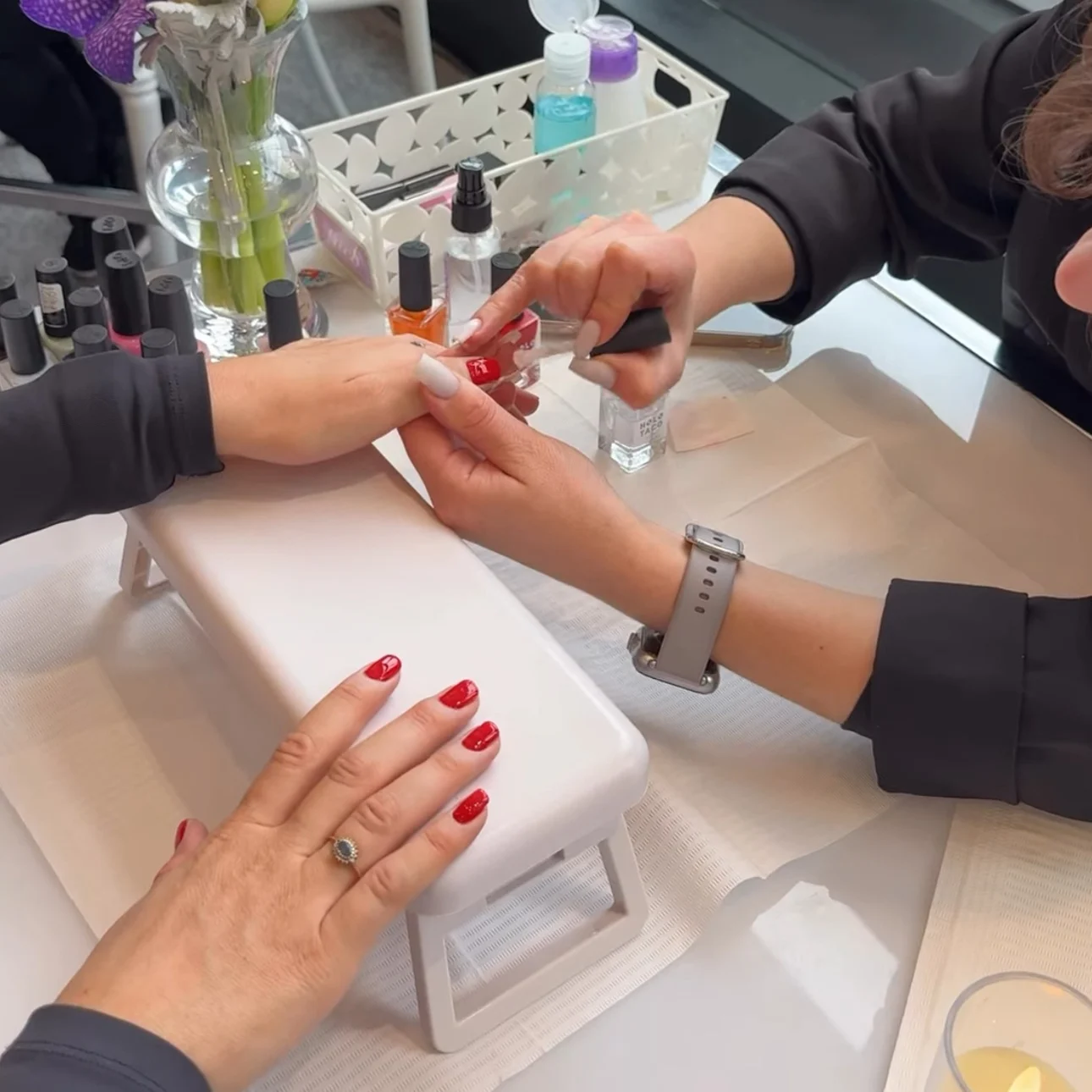

Self-care is often dismissed as a luxury. In reality, it is a measurable biological intervention. When stress levels rise, cortisol increases, inflammation spikes, and skin health declines. Professional spa treatments are not just relaxing experiences. They are structured wellness tools that influence the nervous system, support skin function, and restore cognitive clarity. In a fast-paced city like Toronto, intentional recovery is no longer optional. It is strategic.
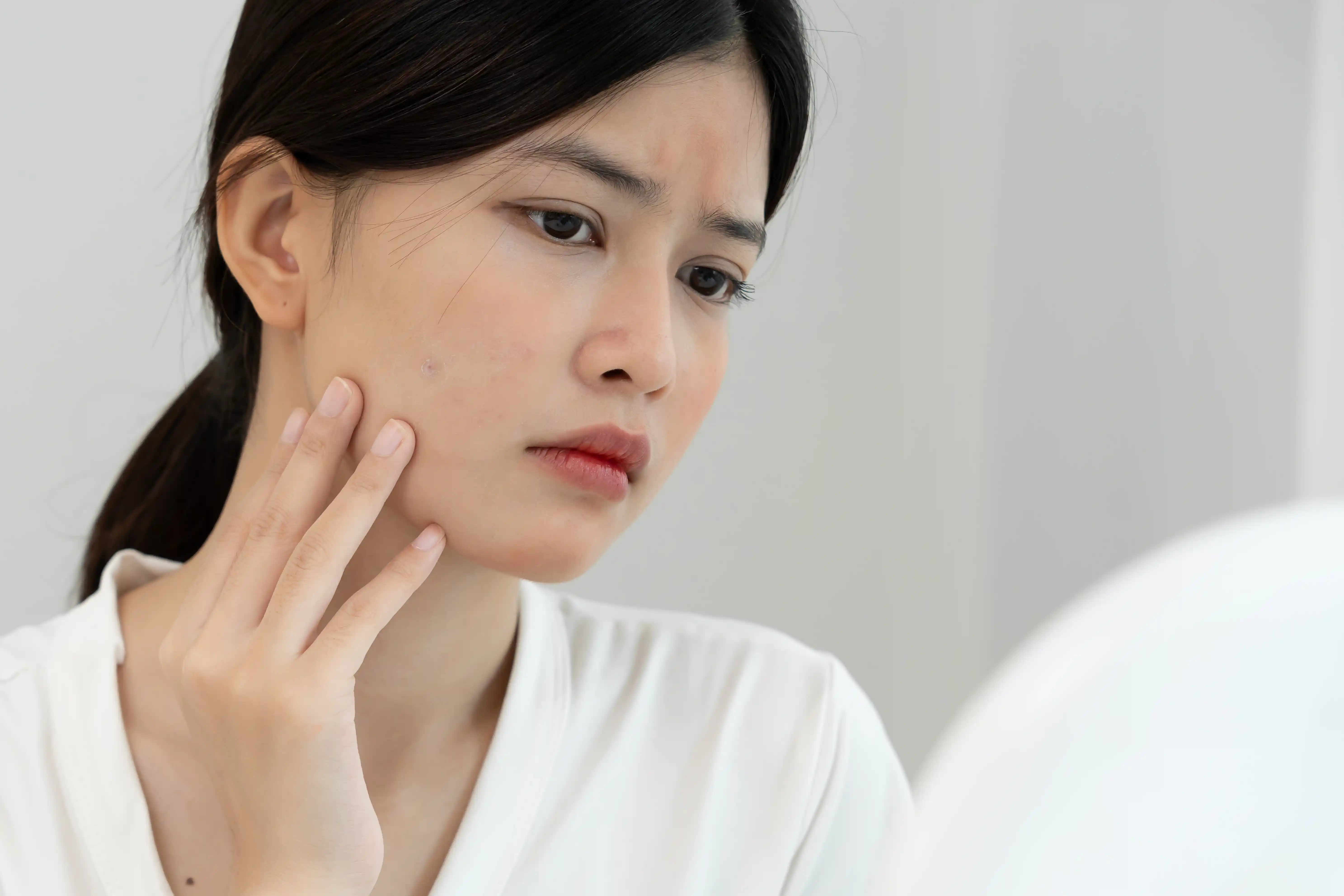
Stress Is Biological, and It Shows on Your Skin
Chronic stress increases cortisol production, which directly impacts skin function. Elevated cortisol has been shown to impair the skin’s permeability barrier and delay recovery from disruption¹.
This disruption contributes to:
- Increased transepidermal water loss
- Heightened inflammation
- Slower healing
- Increased sensitivity
Professional facials that focus on hydration, barrier repair, and controlled exfoliation help restore homeostasis after stress exposure.
The Nervous System Reset Effect
Relaxation during spa treatments is measurable. Massage therapy and structured relaxation interventions have been shown to reduce salivary cortisol levels and improve mood markers². When cortisol decreases:
- Heart rate lowers
- Blood pressure stabilizes
- Cognitive clarity improves
- Emotional regulation strengthens
This is particularly relevant for corporate professionals experiencing chronic occupational stress. Workplace stress-reduction programs have been shown to improve psychological outcomes and reduce burnout³.
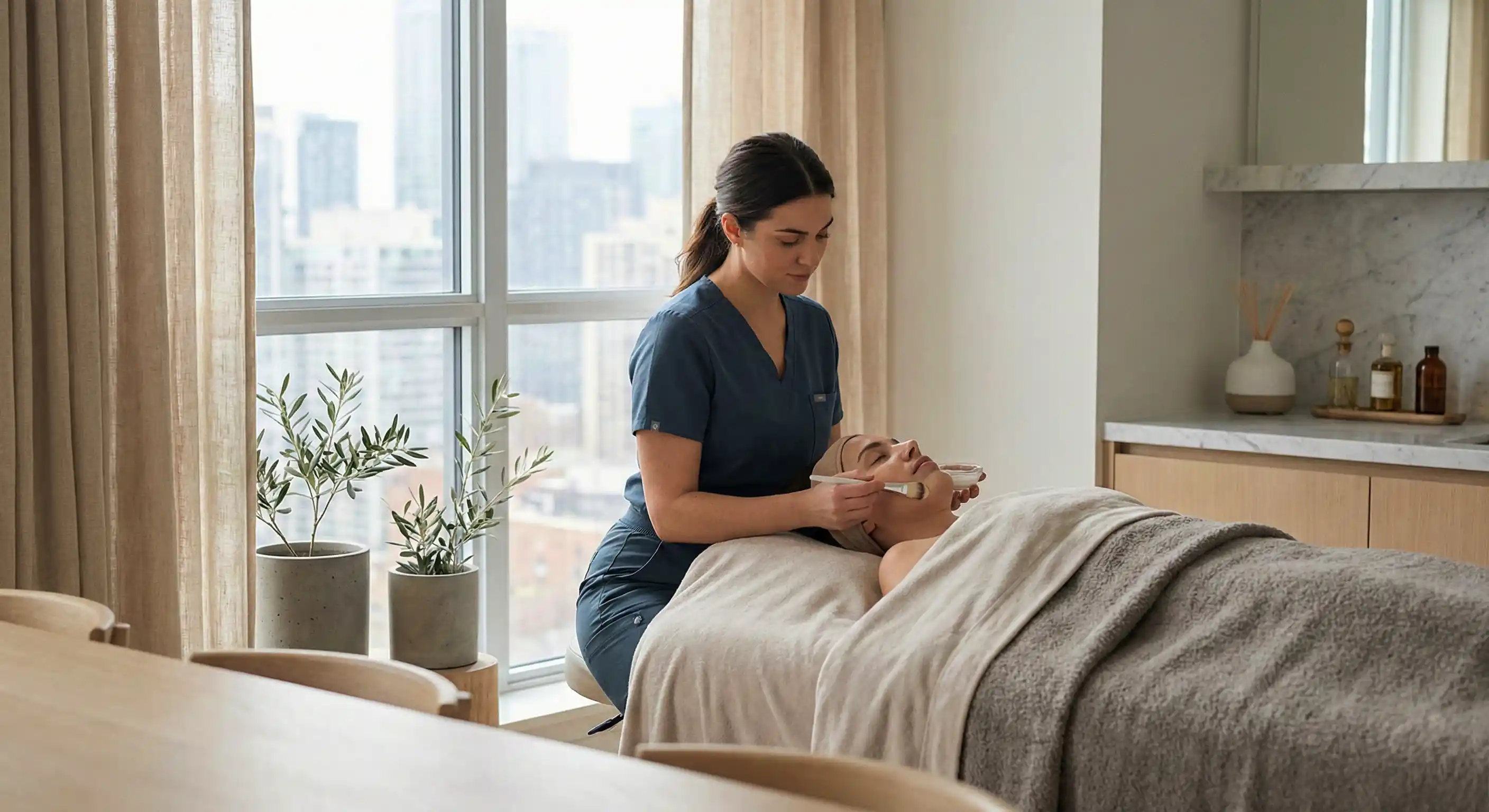
Mobile spa services remove transitional stress such as commuting, traffic, and scheduling friction, allowing the parasympathetic nervous system to activate more efficiently.
Skin Health Is Barrier Health
Dermatological research consistently emphasizes the importance of the stratum corneum, the skin’s outer barrier layer. When barrier function is intact, inflammation decreases and skin resilience improves⁴.
Urban environments such as Toronto expose skin to:
- Dry winter air
- Indoor heating
- Pollution
- UV fluctuation
Professional treatments that combine exfoliation, hydration, and barrier-supportive ingredients strengthen skin integrity beyond at-home routines alone.
Corporate Wellness Is Evolving
Organizations are increasingly integrating structured stress-management interventions because research demonstrates measurable impact. A meta-analysis of occupational stress management programs found significant improvements in psychological well-being³.
On-site spa services are becoming part of modern wellness strategies because they provide:
- Structured pause moments
- Team morale enhancement
- Burnout prevention
- Tangible wellness signaling
In competitive urban markets, preventative wellness is becoming a strategic investment rather than a perk.
The Long-Term View of Self-Care
Consistent professional treatments support:
- Lower stress biomarkers²
- Improved barrier recovery¹
- Reduced inflammation⁴
- Enhanced psychological outcomes³
The science is clear. Self-care, when structured and consistent, functions as preventative maintenance for both skin and nervous system health.
If you are building a sustainable wellness routine or planning a corporate wellness initiative in Toronto or the GTA, consider bringing professional treatments directly to your space. Explore Opalya’s mobile facials, manicures, and wellness services designed to support both skin health and stress recovery.
Because self-care is not indulgence. It is maintenance.
References
- Denda M, Tsuchiya T, Hosoi J, Koyama J. Psychological stress alters cutaneous permeability barrier homeostasis. J Clin Invest. 2000;106(10):1233–1240.
- Rapaport MH, Schettler P, Bresee C. A preliminary study of the effects of repeated massage on hypothalamic–pituitary–adrenal and immune function. Front Psychol. 2012;3:1–10.
- Richardson KM, Rothstein HR. Effects of occupational stress management intervention programs: A meta-analysis. J Occup Health Psychol. 2008;13(1):69–93.
- Proksch E, Brandner JM, Jensen JM. The skin: an indispensable barrier. Exp Dermatol. 2008;17(12):1063–1072.